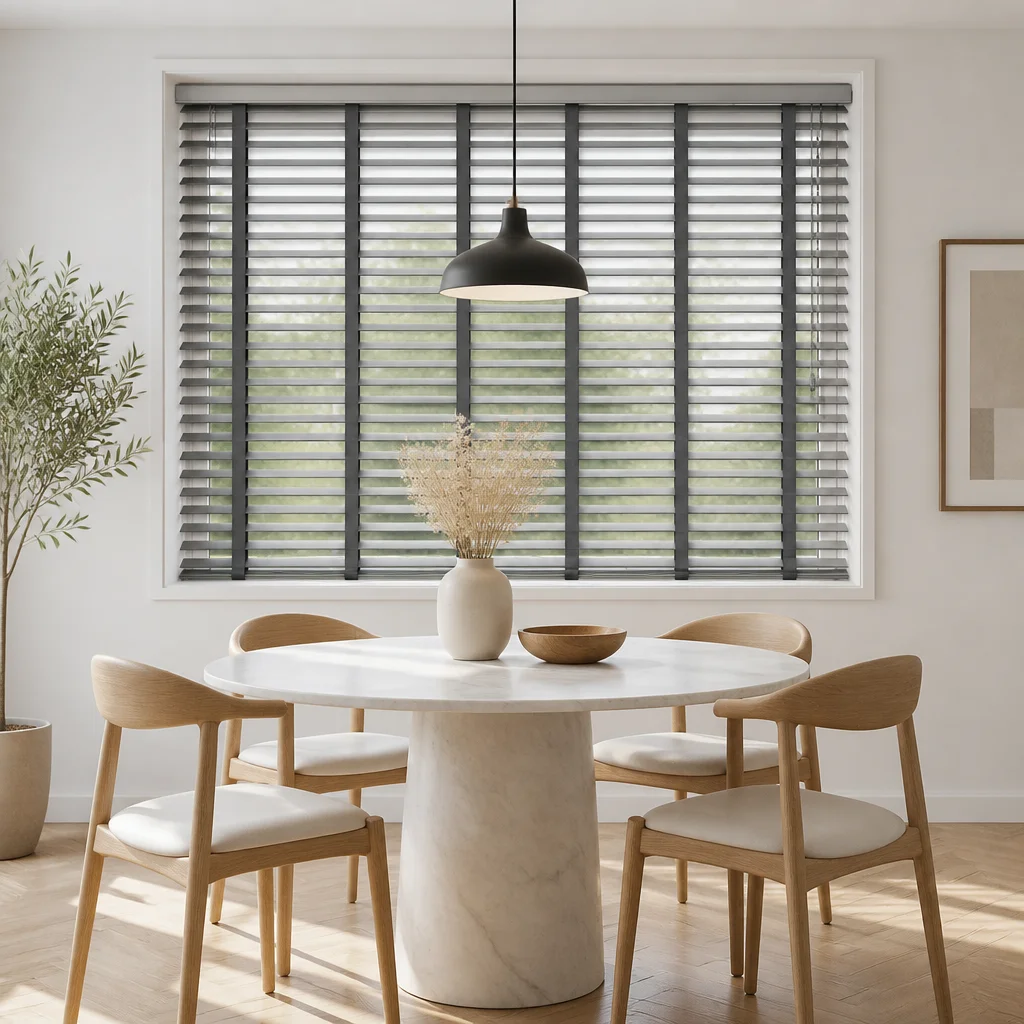
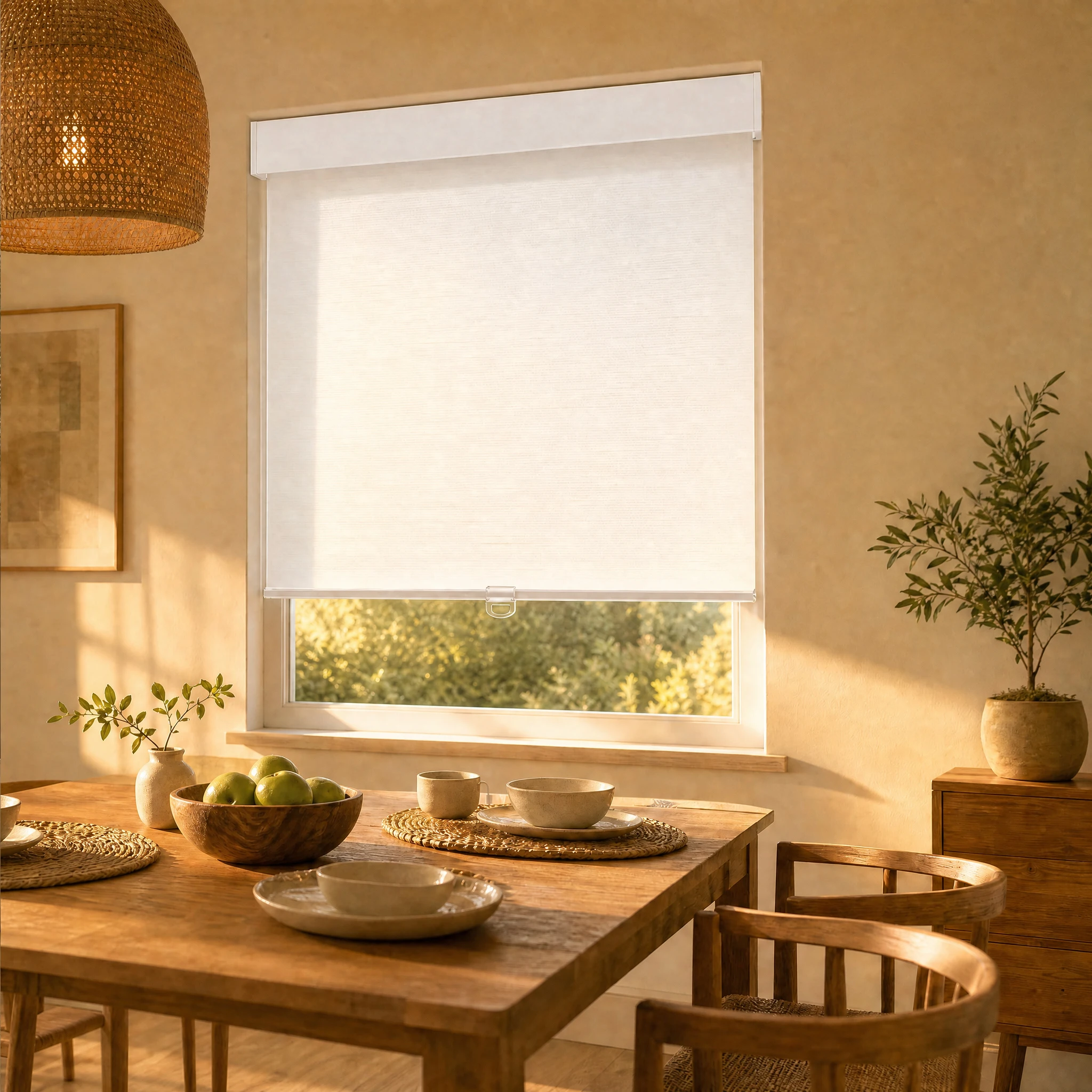
Trends rarely arrive as a product. They arrive as a decision inside a factory. Across Central Asia this season, assembly plants that built their business on roller shades are adding wood venetian blinds to their lines — and the reason is visible in the interiors those plants now serve: warmer palettes, natural materials, and windows expected to do more than block light.
Natural tones are replacing flat neutrals — and a slat changes a room hour by hour in a way fabric cannot.
A plant can build the assembly line. It cannot build the slat — straightness, tone and coating arrive with the supplier.
Species, slat width and stock depth decide whether a customer order becomes a production wait.
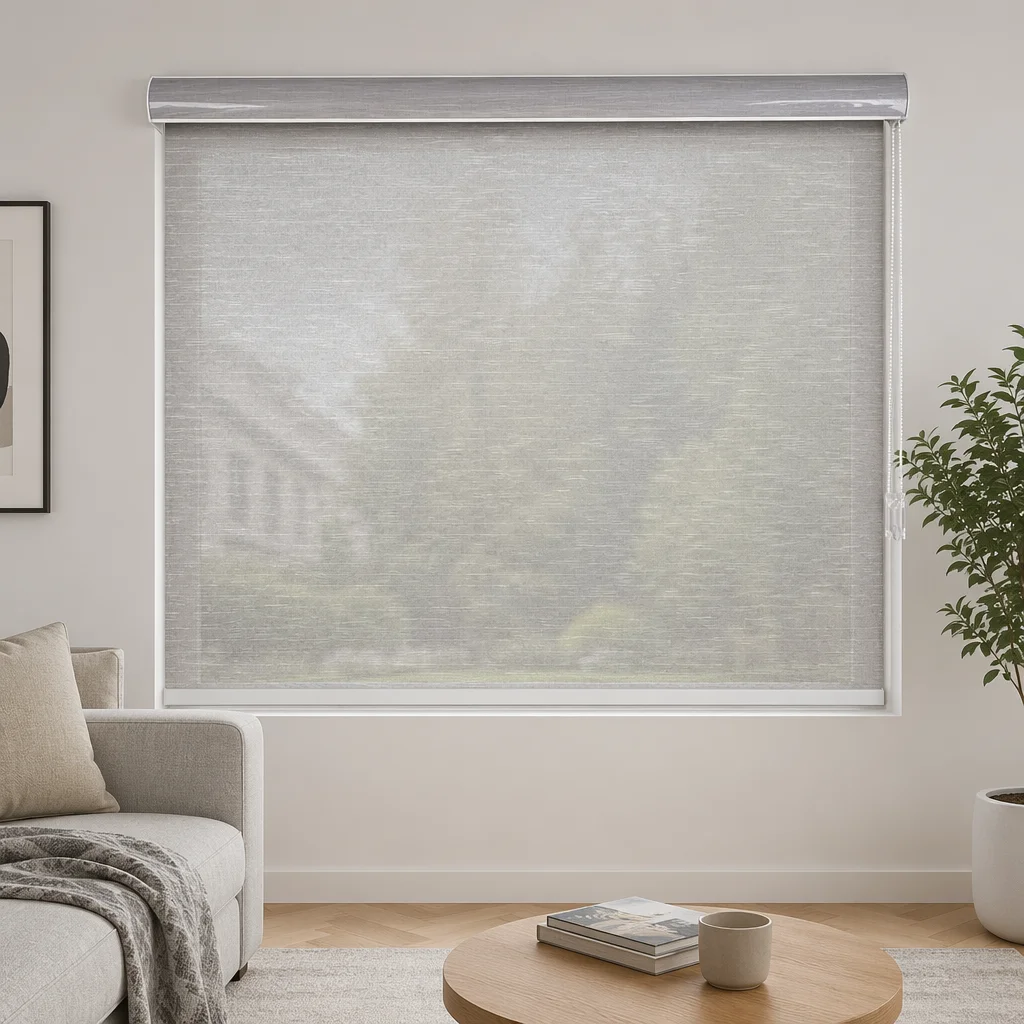
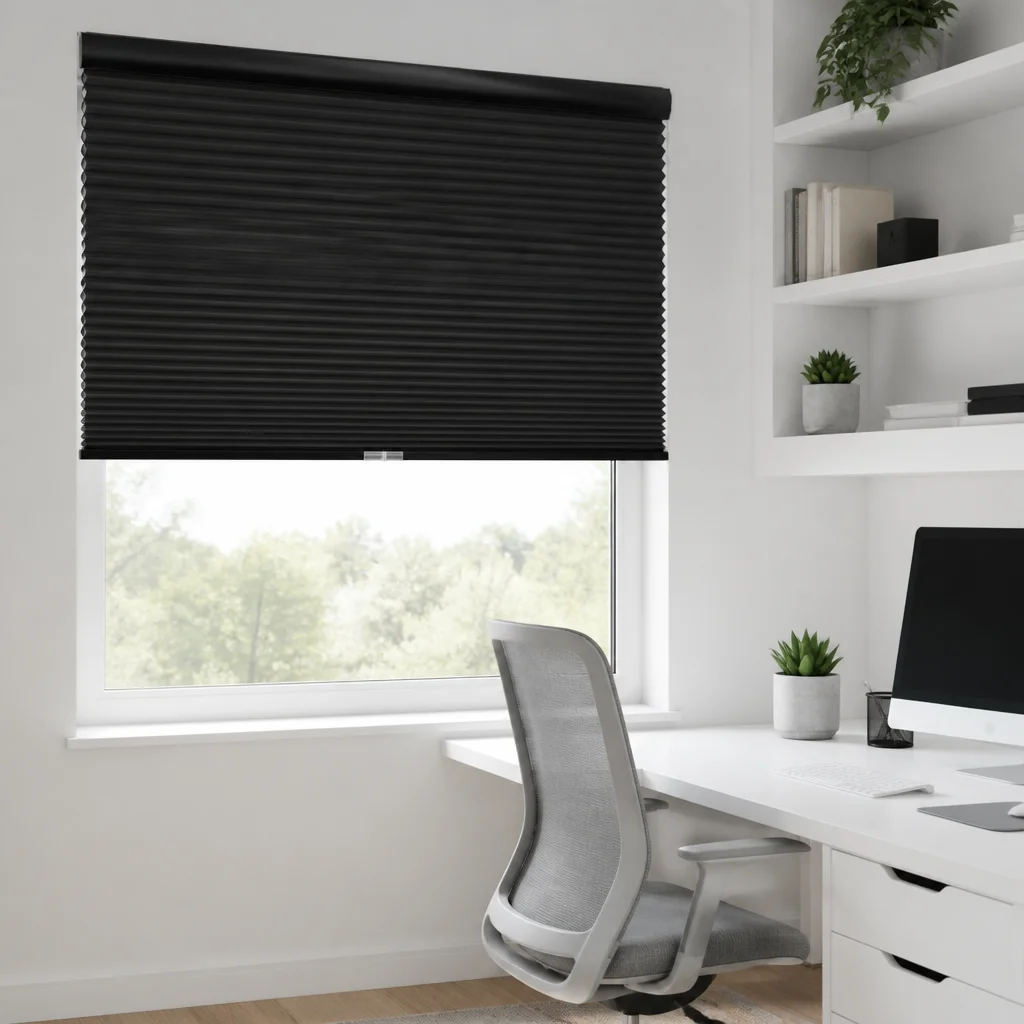
A roller shade is efficient and quiet. A wood venetian blind is expressive: the slat angle changes the character of a room hour by hour, and the material itself — paulownia's pale, even grain, basswood's denser surface — carries a warmth that a woven fabric cannot reproduce.
For a region where interiors are moving toward natural tones, wood venetian blinds answer a design question rather than a technical one. That is usually the point at which a category stops being a niche and starts being a line item on a factory's plan.
What follows is a sourcing question, and it is not a simple one. Two species dominate the conversation, and the choice is made on how the finished blind will be used rather than on price per slat.
The parameters assembly plants ask about first, side by side.
| Parameter | Paulownia slat | Basswood slat |
|---|---|---|
| Grain character | Pale, even, low contrast | Finer, more uniform surface |
| Weight and feel | Light, easy to lift on wide spans | Denser, more substantial in the hand |
| Typical slat widths | 25 mm and 50 mm | 25 mm and 50 mm |
| Finish and colour | Coated on our own line; batch-matched tone | Coated on our own line; batch-matched tone |
| Best suited to | Wide openings, volume residential programmes | Premium interiors, tighter tolerances |
| What plants should check | Straightness after coating, tone across batches | Edge finish, stability under humidity change |
Both species are stocked in the slat widths most requested by assembly plants, with ladders, cords, headrails and chain systems supplied alongside.
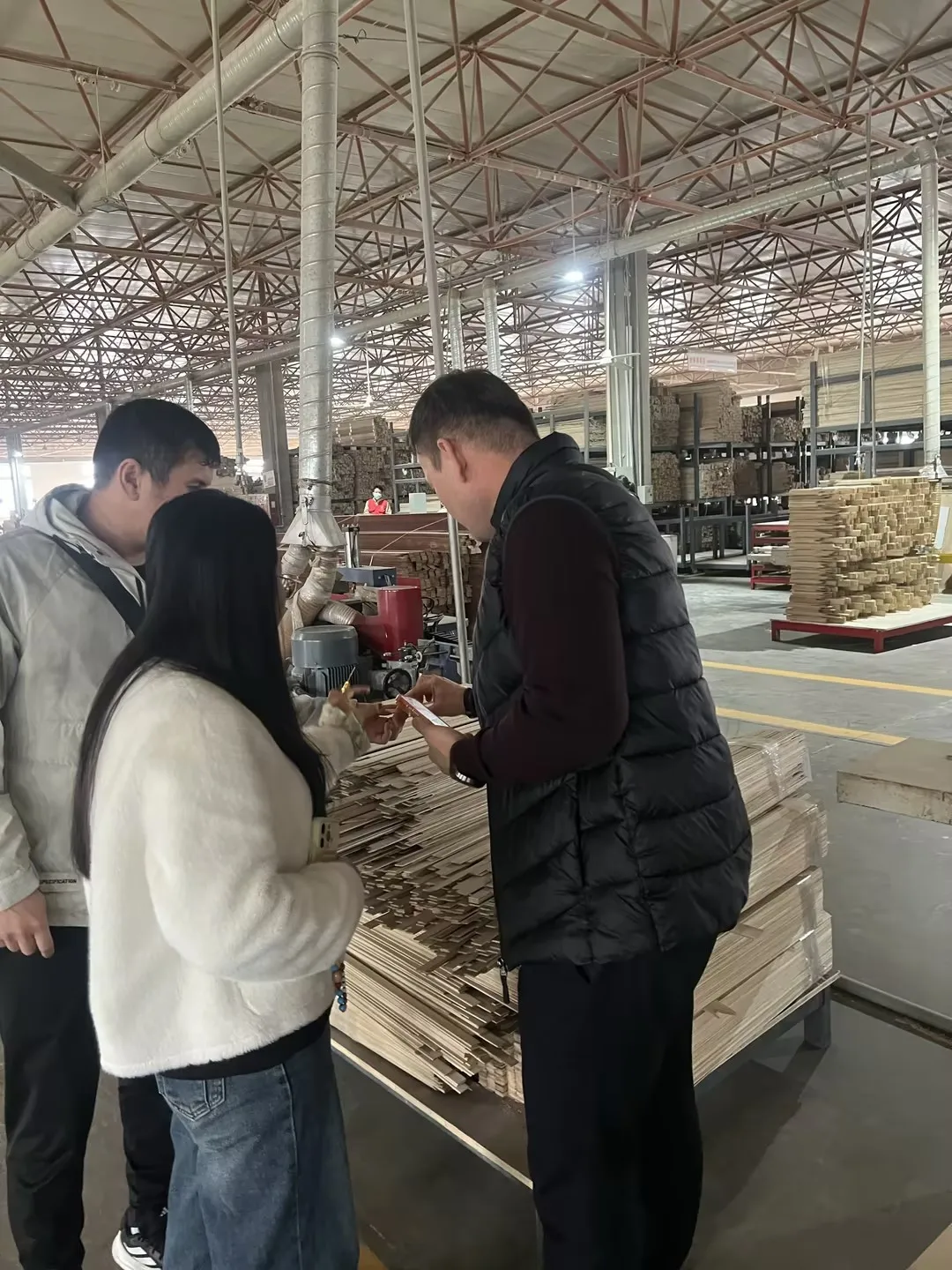
Assembling a wood venetian blind means handling a material that must be consistent before it is worked: slats straight, tone matched batch to batch, coating sound, and the chain system reliable under daily use. A plant can build the assembly line. It cannot build the slat.
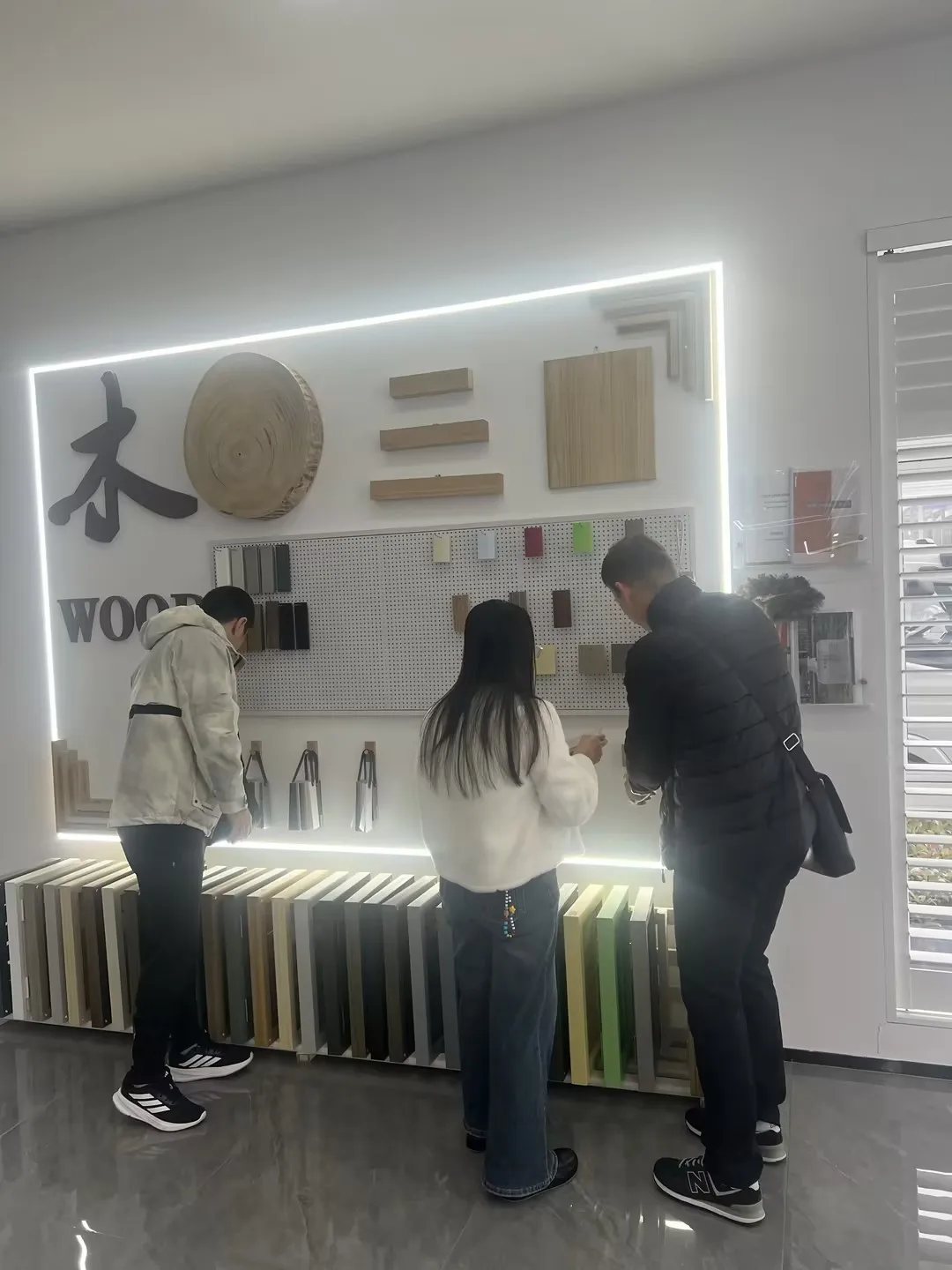
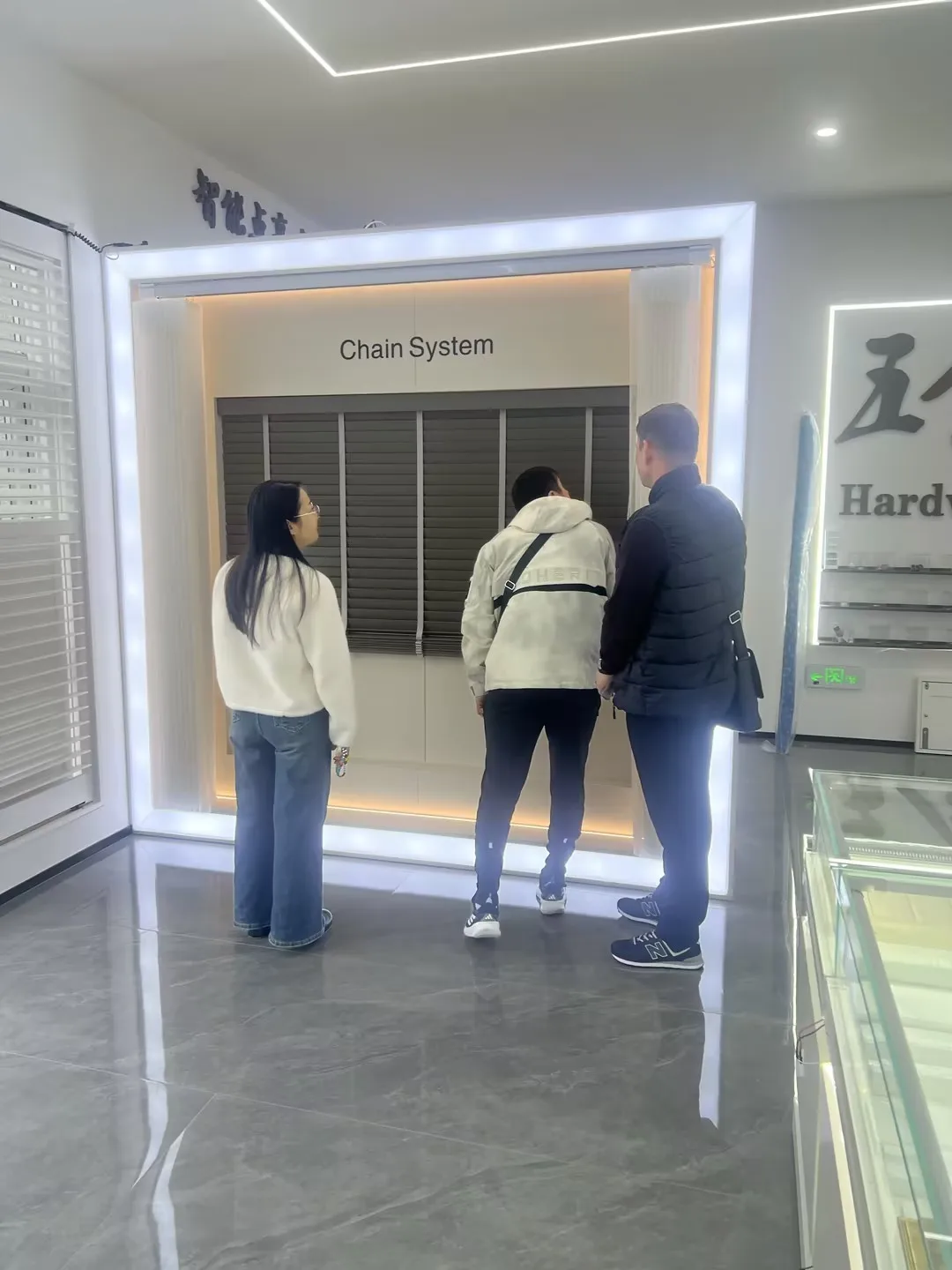
That is why recent conversations have focused on material rather than on machinery — visitors checking colour against the sample wall, lifting stacked slats from the pallet, and watching a finished blind run on its chain before discussing volume.
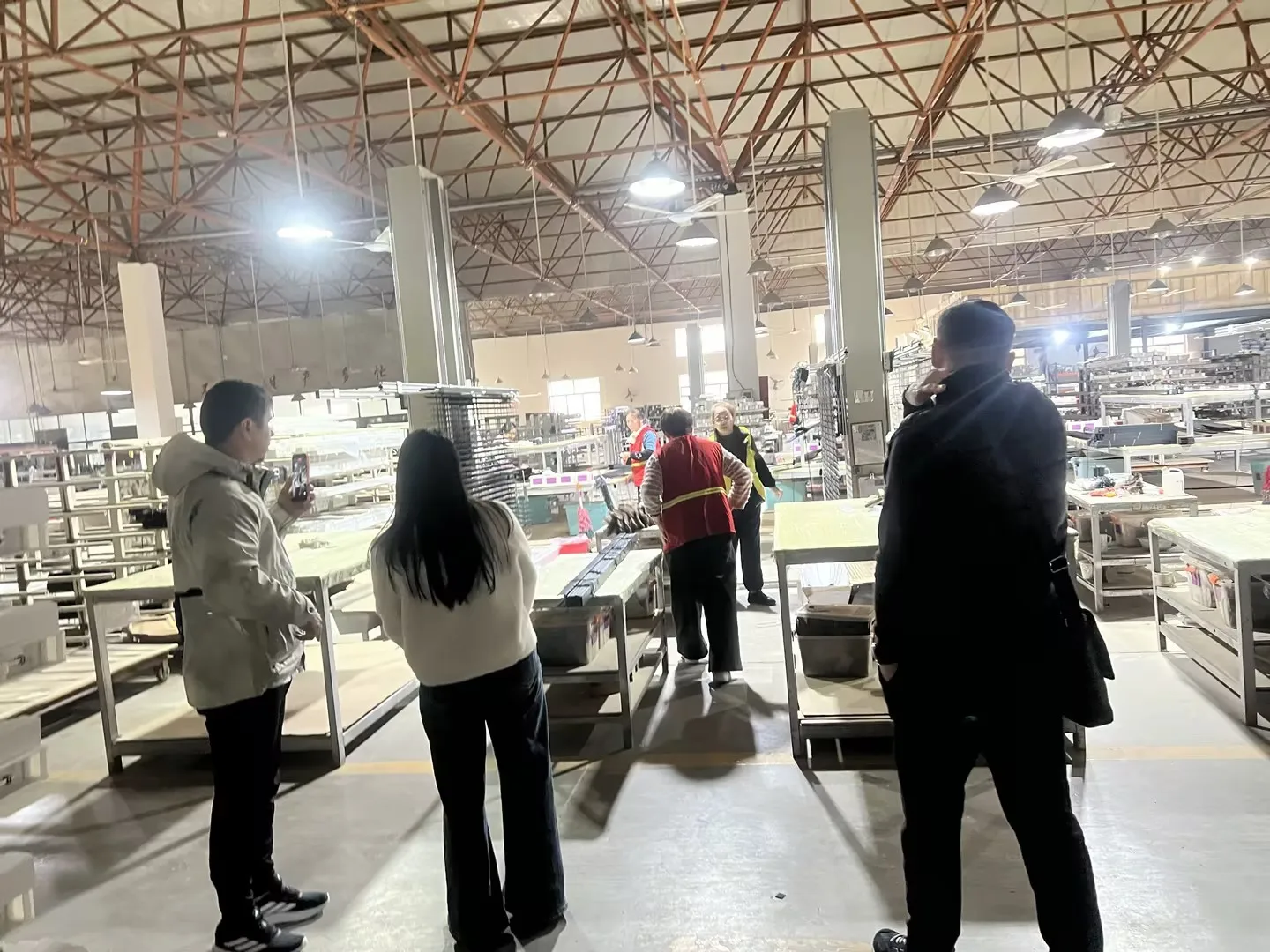
Three decisions determine whether the category works for a plant: which species — paulownia for lightness and even finish, basswood where a finer, heavier slat is wanted; which widths the local market actually specifies; and how much stock to hold so a customer order does not become a production wait.
Plants entering the category are welcome to review samples, compare finishes on the wall, and start with a trial batch before scaling to a full programme.
When a category grows quickly, quality is usually the first casualty and the last thing anyone notices. The slat is where it is either held or lost.
Send us your species, slat width and target volume. We will reply with a sample set, finish options and lead time — before you commit to a programme.
Request a Slat Sample SetOr visit our factory — samples, finishes and finished blinds on display.
Huasheng Window Fashion — wood venetian blinds, plantation shutters and roller shades manufactured by Heze Huasheng Wooden Co., Ltd. · [email protected]
 Hot News
2026-11-20
2026-11-19
2026-11-18
2026-11-11
2026-11-10
2026-11-05
 EN